


Launching a website is exciting. However, getting visitors from Google is often the real challenge. A beautiful design alone will not help your site appear in search results. If people cannot find your website, your content, products, or services may never reach the right audience. This is why seo for new website should be a priority from the very beginning.
Search engines evaluate thousands of websites every day. New websites start with little trust and almost no authority. To improve rankings, you need a clear plan that combines keyword research, website optimization, content creation, and technical improvements. This guide explains how to build a strong SEO foundation that helps your website gain visibility and attract long-term traffic.
| SEO Element | Purpose |
|---|---|
| Keyword Research | Find what users search for |
| Technical SEO | Help Google understand your website |
| Content Creation | Answer user questions |
| Link Building | Build authority and trust |
| Analytics | Measure performance |
Start With Keyword Research
Before creating content, you need to understand what your audience is searching for. Keyword research helps you identify the terms and phrases people use when looking for information, products, or services online.
Why SEO for new Website Is Different

New websites should focus on long-tail keywords because they usually have less competition. Instead of targeting broad phrases, create content around specific search queries that match user intent. This approach improves your chances of ranking faster while helping you attract targeted website traffic from Google.
Set Up Technical SEO Correctly
On-page optimization is vital to ranking even for the best content if the search engines can’t crawl and index your site properly. Technical SEO is the bedrock and the backbone of all other factors — it’s much easier to get it right from the beginning than to fix it later. The main technical requirements of a new site: Submit XML sitemap to Google Search Console to let search engines know what pages are available on your site. Get Google Search Console and Google Analytics set up ASAP — Data from day one is critical, not 6 months later.
Start by creating an XML sitemap and submitting it through Google Search Console. Ensure your website is secure with HTTPS, loads quickly, and works well on mobile devices. A mobile-friendly website improves user experience and supports better rankings because Google prioritizes mobile usability.
| Technical SEO Task | Benefit |
|---|---|
| XML sitemap | Helps Google discover pages |
| SSL Certificate | Improves trust |
| Fast Loading Speed | Better user satisfaction |
| Mobile Optimization | Better rankings |
| Crawl Error Fixes | Improved indexing |
Create High-Quality Optimized Content
Good SEO content writing includes naturally placed keywords, clear structure, and useful information. Focus on content relevance rather than excessive keyword usage. Avoid keyword stuffing, as modern search engine algorithms can identify unnatural optimization techniques and reduce rankings.
Link to other pages within your site using internal links to make Google more likely to find the content and understand the structure of your site. Use keyword-rich, descriptive Alt Text for images; not “alt attributes”. It’s not just about quality; it’s about being consistent as well. If you can publish one piece of well-optimized content per week, then after awhile you will be getting significant organic traffic.
Build High-Quality Backlinks
Links from other websites to yours, also known as backlinks, are still among the best ranking factors for Google. Early backlinks are crucial for gaining recognition in your niche when building a new website. Successful methods to get high-quality backlinks: Guest posting: Create content for other blogs in your niche and link back to your site in context.

Focus on earning quality external links from relevant websites within your industry. Guest posting, partnerships, and publishing original research can help attract natural backlinks. Strong backlinks continue to influence PageRank and overall website authority.
Track Results and Stay Patient
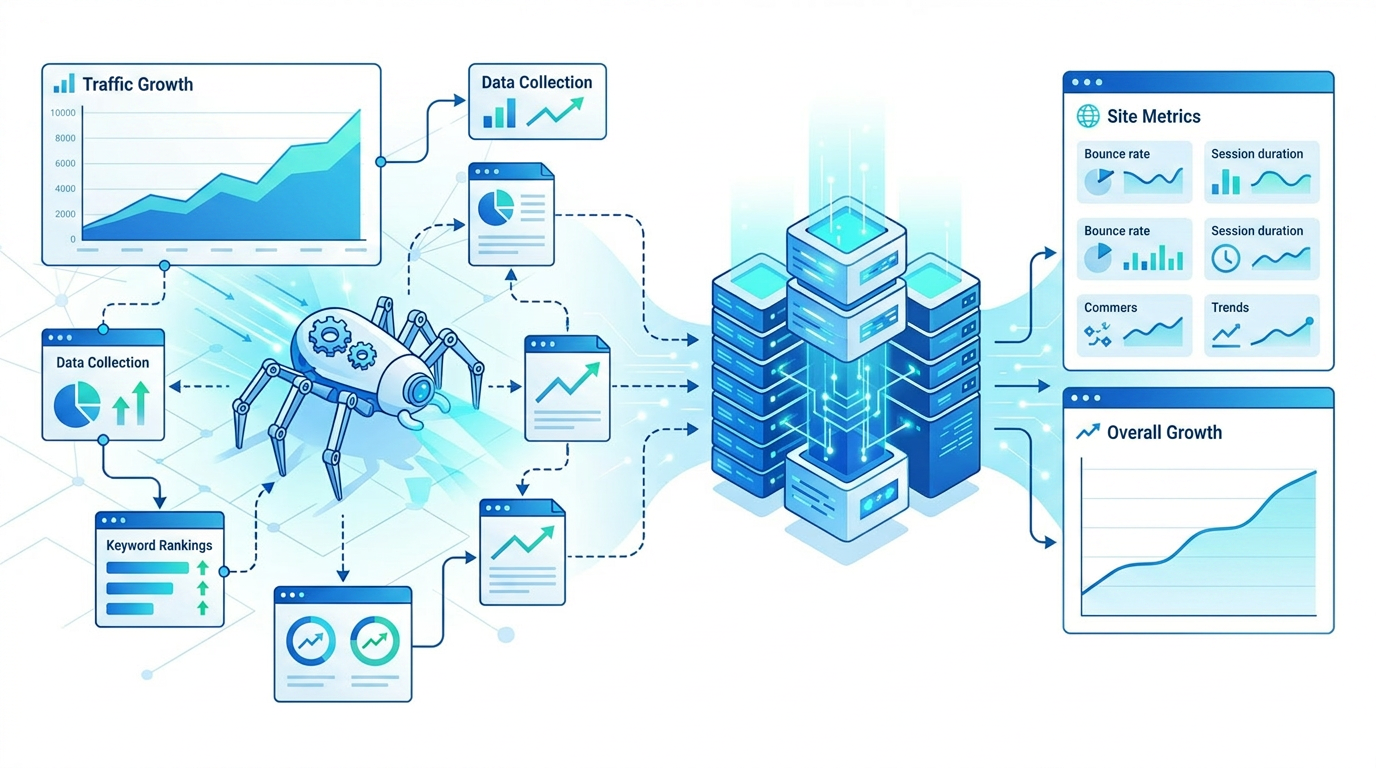
SEO isn’t a race. It generally takes 3-6 months to begin to see any substantial organic traffic and 6-12 months to develop real momentum. It isn’t a bug, it’s the way search engines make sure that your website is trusted and that it can be ranked higher than an existing website.
Use Google Search Console and analytics tools to review data regularly. Pay attention to changes in rankings, indexing status, and user behavior. Continuous improvement helps maintain growth as search engine algorithms evolve over time.
| SEO Metric | Why It Matters |
|---|---|
| Organic Traffic | Measures SEO growth |
| Click-Through Rate | Shows listing performance |
| Keyword Rankings | Tracks visibility |
| Indexed Pages | Confirms indexing status |
| Bounce Rate | Measures engagement |
Final Thoughts
SEO for new website may seem overwhelming at first, but the process becomes much easier when you focus on the fundamentals.
Start with thorough keyword research, build a technically sound website, create helpful content, and earn quality backlinks consistently. These core SEO principles remain effective regardless of industry or website size.
The websites that succeed in search are not always the oldest or largest. They are often the websites that consistently provide value, improve user experience, and commit to long-term growth.
Stay patient, remain consistent, and continue improving your website. Over time, the rankings and traffic will follow
Frequently Asked Questions
How to do seo for a website step by step?
Start with keyword research, improve technical SEO, create optimized content, build backlinks, and monitor performance using Google Search Console.
What is SEO and how does it work?
SEO is the process of improving a website so it ranks higher in search engines. It helps increase organic traffic by making content easier for search engines and users to find.
How to do SEO for my website for free?
Use free tools such as Google Search Console, Google Analytics, and Google Keyword Planner to improve content, fix technical issues, and monitor website performance without spending money.

Hi, I’m Faraz, the creator of Monetigoo. I’m passionate about helping beginners learn how to make money online in simple and practical ways. Through my website, I share easy guides, real strategies, and useful tips that anyone can follow, even with no experience.
My goal is to make online earning understandable for everyone. I focus on methods like freelancing, blogging, and digital income ideas that actually work in today’s world. I believe anyone can build income online with the right mindset, consistency, and clear direction.
At Monetigoo, I aim to provide honest, helpful, and beginner-friendly content so you can start your own online earning journey with confidence.
1 thought on “SEO for New Website: Step-by-Step Guide to Ranking on Google”